
A little measuring beats a guess in the paint aisle. Start with the surfaces you plan to paint, and keep walls, ceilings, and trim separate if they use different products.
Measure the surface.
For a rectangular room, add the lengths of all four walls and multiply by the height. A room that is 12 feet by 10 feet, with an 8-foot ceiling, has 352 square feet of wall area before subtracting openings.
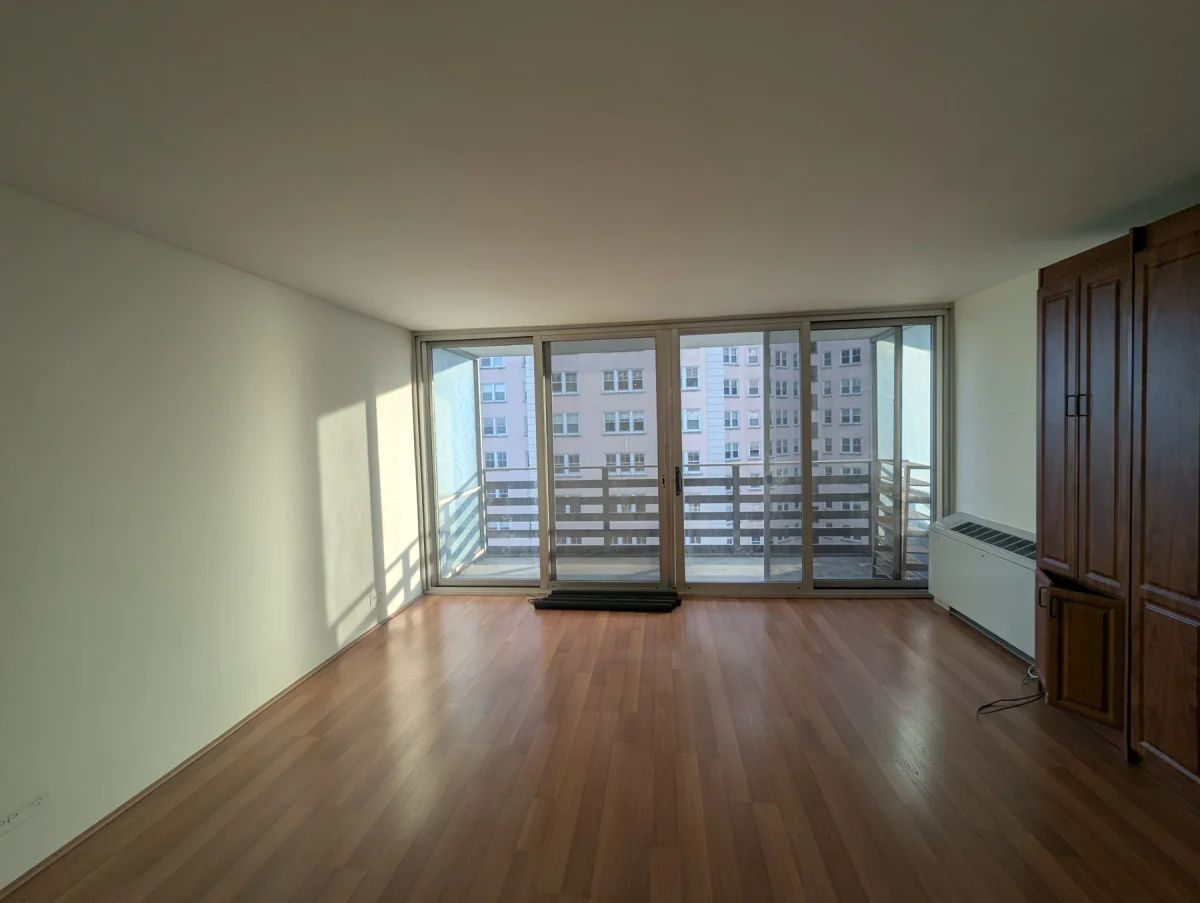
Measure doors and windows and subtract their areas if you want a closer estimate. A blanket deduction for openings can be misleading: one room may have a small window, another a whole wall of glass.
Count the coats.
Multiply the paintable area by the number of planned coats. Divide that number by the product’s stated coverage per gallon.
For example, 300 square feet of wall with two coats means 600 square feet of application. If the selected product lists 350 square feet per gallon, the calculation is about 1.7 gallons, before allowing for waste or touch-ups. That coverage figure is an example, not a promise for every paint.
Read the label and look at the wall.
Texture, porosity, repairs, and a major color change can affect what is needed. Primer is a separate calculation. Decorative finishes have their own application and coverage requirements, so don’t use a wall-paint estimate for plaster or limewash.
For the ceiling, multiply length by width and repeat the calculation with its own product. Make a note of the final color, product, and sheen so that the leftover can is useful later.
Have a project in mind?
Tell us about your space. We’ll help you work out the next step.
Start a conversation